What to Wear for Leg Day – Best Outfits for Comfort and Performance?
Share
Leg days are very crucial. Do all your squats, lunges, and deadlifts with the aura of a free spirit. Choose beyond restrictive and uncomfortable gym shorts - move freely, carry the vibe… test the limits! Moreso, why keep aesthetics behind? Choose gym wear that is athletically crafted for your beautiful physique.
Key Considerations When Choosing Leg Day Clothes
A performance-centric approach is important while considering what to wear for leg day. The ideal gym wear needs to stretch under pressure and resist wear and tear. It will adjust itself around the joints, like the knee and hip.
Clothing should also match the nature of the training. This requires a great deal of stability in squats, deadlifts, and lunges, which may be disrupted by the movement of clothing. Stretchy clothing with a decent amount of compression may provide the clothing the ability to maintain its integrity. That is pretty much it: clothing that maintains its reliability while your legs are put to work.
What to Wear for Leg Day at the Gym: Best Outfits & Tips for 2026?
Tops. Bottoms. Shoes. Each one affects how you move and how stable you feel. The goal is simple. Nothing should need fixing once the workout starts.
Best Tops to Wear for Leg Day
Best Options for Men
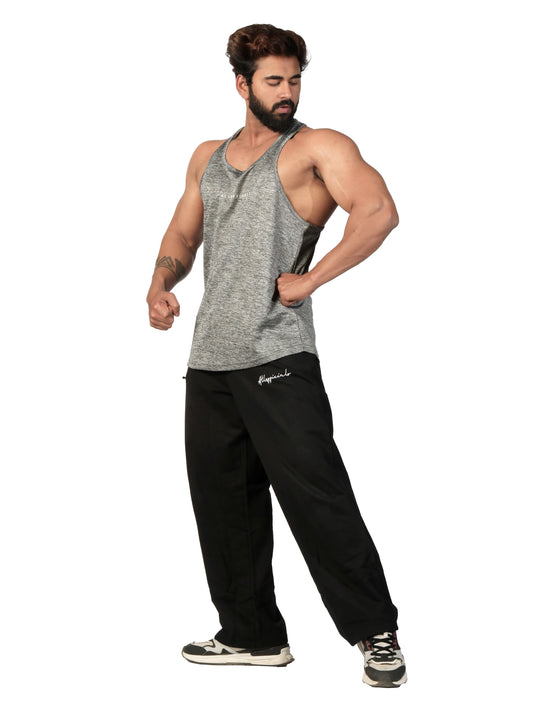
•Ribbed vests are good to wear for leg exercises
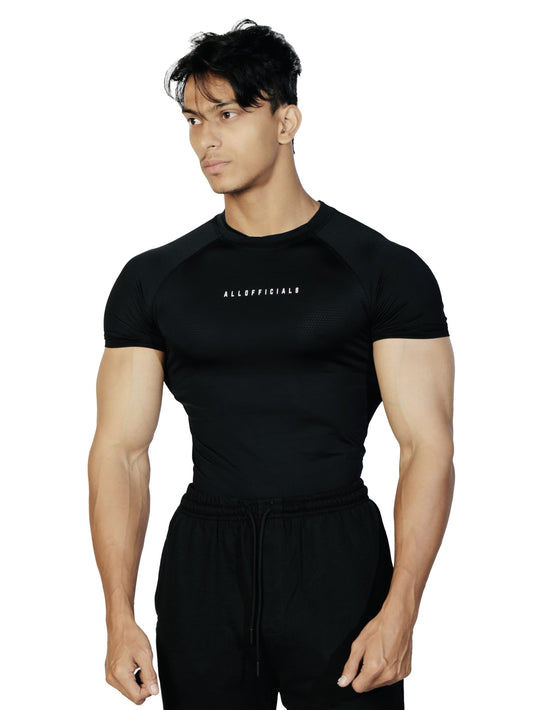
•Compression vests make it easy to observe squat depth and position in the mirror reflection
• Less fabric to catch on the bar during front squats
•Slender, Flexible Fits that retain shape during split squats & hip movements
•Oversized shirts can conceal dimensions, mask posture, or bunch while lifting the bar
Best Options for Women
•A sports bra is necessary during leg day
•Jump squats, step-ups, and lunges are more active than one would think
•Racerback tank tops allow for unobstructed movement of the shoulders during back squats
•Full matching tanks or training tees provide coverage but limit mobility
For both genders, going with modern performance materials — polyester blends with elastane or compression fabrics — helps with wicking sweat and enabling smooth movement.
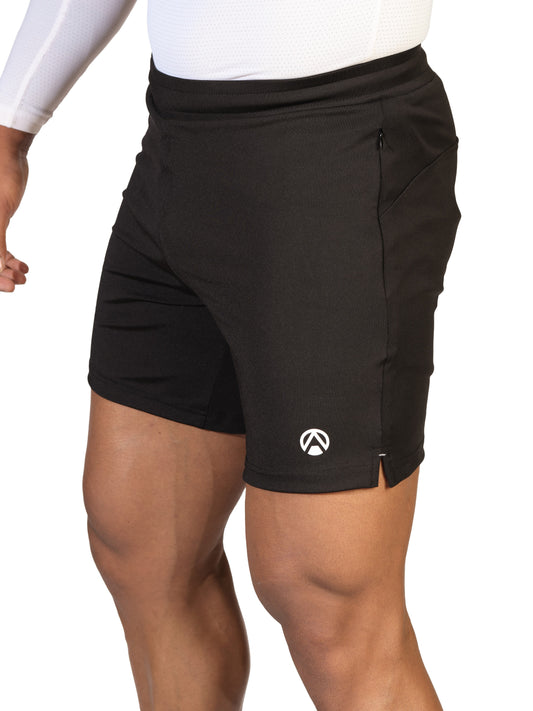
Bottoms are where what to wear for leg day really gets specific. Most lifters prefer flexible shorts, or compression pants. Squat-proof gear means the fabric won’t go see-through or even won’t snap when you bend or squat, giving you confidence and comfort in every set.
Squat-proof leggings are especially popular for what to wear for leg day female, because they combine coverage, stretch, and muscle support. They often feature high waistbands that don’t shift as you move.
For what to wear on leg day male - shorts or fitted joggers that has a moisture control fabric performs very well. Compression shorts under regular gym shorts offer extra muscle support and comfort for heavy lifts and plyometrics.
Compression bottoms as gym wear reduce muscle fatigue and lead to improved circulation.
Accessories That Can Help on Leg Day
Accessorizing makes sure you are comfortable and performance-centric on leg day. Options include:
Moisture-wicking socks to keep feet dry and prevent blisters.
Weightlifting gloves or straps if your hands get sore when gripping bars.
Headbands or sweatbands to keep sweat out of your eyes.
A gym bag to hold extras like spare socks, towels, or post-workout clothes.
Some lifters use compression sleeves on their knees for warmth and joint support, though the benefits vary by personal preference.
Do’s and Don’ts of Leg Day Outfits
Do’s
Do focus on stretch and mobility.
Do pick breathable fabrics.
Do choose shoes that match your training style.
Do prioritize pieces that stay put during heavy lifts.
Don’ts
Don’t pick overly baggy clothing to gym.
Don’t wear old cotton gear that traps sweat and slows drying.
Don’t assume that regular sneakers will be ideal for leg day.
Where to Buy Leg Day Accessories for the Gym?
You can find accessories and gym gear from specialists like the AllOfficials athletic brand. Look for ribbed vests, compression tshirts, oversized tees, flannel shirts, snazzy bottoms like Joggers, and the NEW Essence Winter Wear collection - alldesigned for leg day resistance training.
Online marketplaces and branded stores often categorise gear by activity, so searching “leg day gym gear” usually returns shoes built for strength, squat-proof leggings, and tops engineered for performance.
Local sports stores also stock essentials if you prefer to try on before buying.
FAQ on What to Wear for Leg Day
What to wear on leg day male?
You can wear gym shorts or high-quality joggers - pair them with tank tops or oversized tees. While lifting, wearing a compression vest will alleviate your form and physique.
Should I wear leggings on leg day?
Yes, leggings can be a great choice for leg day. They offer stretch, comfort, and range of motion while providing coverage you can trust during squats, lunges, and other movements. Squat-proof and breathable leggings are particularly useful.
What is Gen Z wearing to the gym?
Fashion trends among Gen Z are often about function meeting fashion, high-waisted leggings or athletic shorts, crop tops, and bright colors along with fashionable fabrics that appeal to workout personalities. The fashion statement isn’t restricted to functionality but also to confidence that needs to be portrayed during workouts.
Is it necessary to wear shoes on leg day?
Although it is possible to train without shoes when performing minimal movements, most trainers will suggest that training in shoes is necessary because shoes provide support, which is further important when handling heavyweight weights during training.