Compression vs Muscle Fit: Which Gym T-Shirt Is Better for You?
Share
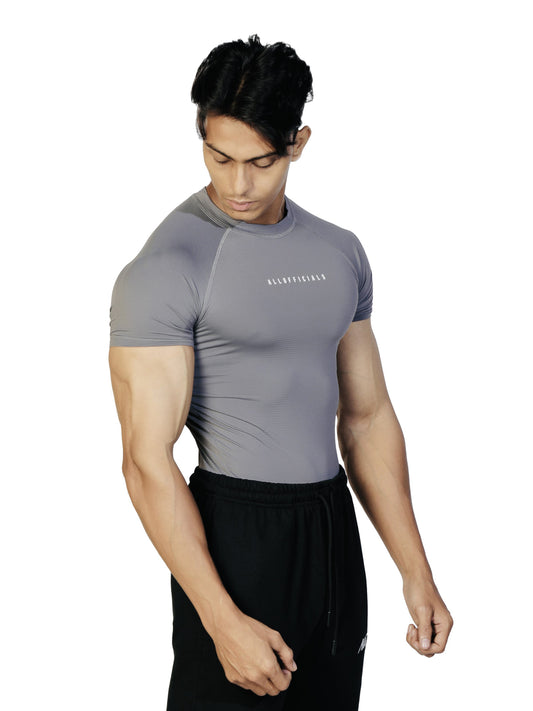
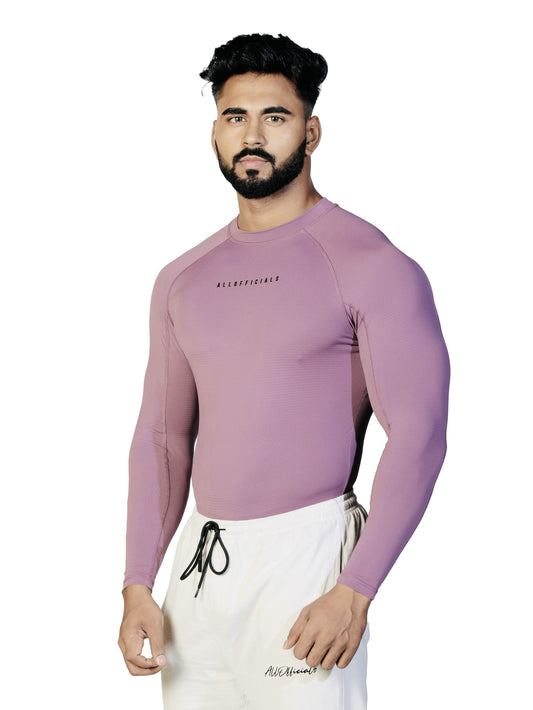
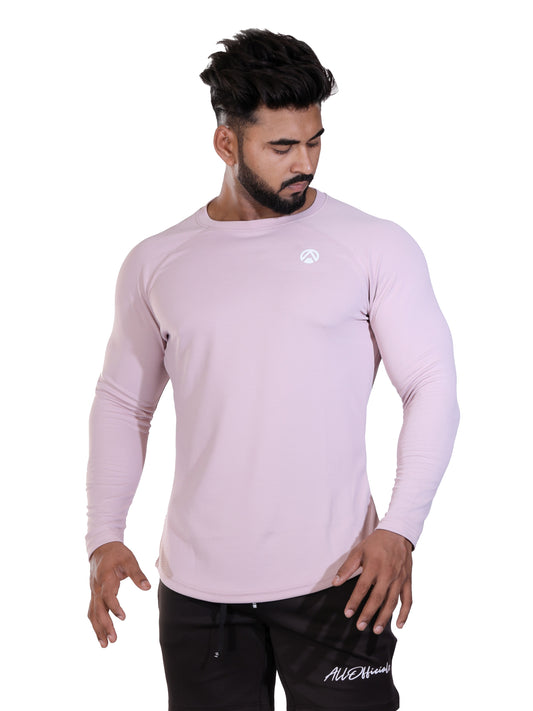
Compression vs muscle fit comes down to how close the fabric stays to your body. A compression fit holds the torso and arms firmly, while a muscle fit t-shirt follows the shape of your chest, shoulders and biceps without pressing on them. Compression suits fast, high-effort training. Muscle fit suits lifters who want a tailored shape and free movement.
This guide compares compression fit vs muscle fit on fabric, comfort, workouts, body type and sizing. Use it to choose the right gym t shirts for men in your wardrobe, whether you train in a heated Indian gym or an air-conditioned one. A compression T-shirt vs muscle fit T-shirt comparison becomes simple once you judge both on the same points.
What Is a Compression T-Shirt?
A compression t shirt is a close-fitting top made from stretch fabric that stays against the skin through every movement. Men wear it for lifting, sport and layering. The fit is firm by design, and it is the main reason people choose it over a regular tee.
How a Compression Fit Works
The fit depends on stretch fabric that applies light, even pressure across the torso and arms. This keeps the shirt in place when you move quickly or change direction.
A compression T shirt for men follows the body closely at the chest, back and shoulders. The fabric does not bunch up under a belt or flap during a set. Most wearers notice three things in use:
Even, light pressure across the upper body
No loose fabric to catch on a bar or machine
A clear outline of the chest and shoulders
Fabric Used in Compression T-Shirts
Fabric decides how well a compression shirt stretches, dries and keeps its shape after repeated washes. Weak fabric loses its grip within weeks, so the material matters more than the label.
Most men's compression T-shirts use polyester blended with spandex, which gives 4-way stretch. Polyester moves sweat away from the skin and dries quickly, a real advantage in Indian heat. Allofficials makes itscompression T-shirts with 4-way stretch, sweat-wicking fabric for this purpose.
A compression T-shirt for gym use suits trainers who move fast, sweat heavily or want a secure fit. It also works well as a base layer under a loose tee or jersey.
Athletes who do sprints, circuits and HIIT
Lifters who prefer a firm, supported feel
Men who want a base layer under a vest or hoodie
What is a muscle fit t-shirt?
A muscle fit t-shirt is cut to follow the upper body. It is snug at the chest, shoulders and sleeves, then narrows toward the waist. The fabric stretches a little, but it does not squeeze the body.
How a Muscle Fit Cut Is Shaped
The cut is built around a broad chest and a narrower waist. Sleeves are tapered to follow the arm, so they do not hang loose below the shoulder.
A muscle fit t-shirt gives more room than compression at the ribs and upper arm. You can breathe and move without feeling held in. The hem ends at the hip, which keeps the shape clean during squats and presses.
Muscle Fit vs Slim Fit
Both cuts are fitted, but they are made for different bodies. Muscle fit vs slim fit mainly differs in how much room the shirt leaves around the chest and arms.
Feature
Muscle fit
Slim fit
Chest and shoulders
Roomier to suit a broad frame
Narrower, follows a lean frame
Sleeves
Tapered with space for biceps
Slim all the way down the arm
Waist
Tapers gently from the chest
Close and straight
Best for
Lifters and muscular builds
Lean builds and casual wear
Who Suits a Muscle Fit T-Shirt for Men
A muscle fit T-shirt for men works for anyone who wants a fitted look without compression. It suits athletic builds, regular lifters and men who wear gym clothes through the day. Muscle fit gym wear of this kind keeps its shape across long sessions.
Lifters with developed shoulders and arms
Men who want one tee for the gym and for errands
Those who find compression too tight
Compression vs muscle fit: the key differences
The two cuts differ in grip, stretch, support and use. The table below sets compression fit vs muscle fit side by side, so you can compare each point quickly.
Point of comparison
Compression fit
Muscle fit
Fit on body
Very close, firm on skin
Fitted, follows the muscle shape
Fabric stretch
High, 4-way stretch
Moderate, with some give
Support
Firm, even pressure
Light, no pressure
Movement
Moves with the body
Free at chest and arms
Heat and sweat
Fast sweat transfer, dries quickly
Depends on fabric weight
Everyday wear
Mostly for training and layering
Easy to wear through the day
Best use
HIIT, sport, base layer
Lifting, gym and casual wear
Muscle fit vs compression shirt is a choice between support and ease. Pick compression when you want a locked-in fit during fast work. Pick a muscle fit when you want a tailored shape that also works away from the gym. A compression T-shirt vs muscle fit T-shirt choice rarely has a wrong answer, only a better match for the day.
Compression vs Muscle Fit for Different Workouts
Your workout should guide the fit more than your taste. A muscle fit vs compression shirt decision works best when you start from the session you plan to do. A shirt that works for heavy squats may feel wrong during a sprint session, and the reverse is also true.
Weight Training and Strength Sessions
In the weight room, most lifters care about shoulder room and a clean shape. A muscle fit t-shirt gives space for pressing and rowing, while a compression fit keeps fabric away from the bar.
Both work here. Choose compression if you dislike loose cloth, and muscle fit if you want freedom at the chest and arms. Many lifters keep one of each for different days.
HIIT, Cardio and Sports
Fast sessions create more sweat and more movement. A compression T-shirt for gym cardio stays in place, wicks moisture and keeps the torso steady during jumps and sprints.
Muscle fit can handle moderate cardio if the fabric is light. For intense intervals or field sports, compression is the safer choice.
Calisthenics and Functional Training
Pull-ups, dips and floor work need a shirt that does not ride up. Compression stays down during hanging and bridging movements, which makes it a practical pick here.
A muscle fit works for lighter bodyweight sessions. Check that the hem stays down when you raise your arms overhead.
Compression vs Muscle Fit: Which Is More Comfortable?
Comfort depends on climate, fabric and personal preference. Compression fit vs muscle fit also feels different after an hour of training than it does in the first ten minutes. Some men feel supported in compression. Others find it restrictive after an hour.
Comfort in Indian Heat and Humidity
Heat and humidity make fabric choice important. A close fit traps less air, so the quality of the fabric decides whether you stay dry. Moisture-wicking polyester dries faster than cotton in a humid gym.
Compression feels cooler when the fabric wicks well. A muscle fit feels cooler when it has more room for air to move. Choose by fabric first, then by cut.
Everyday Wear and Layering
Muscle fit is easier to wear outside the gym. It looks like a fitted tee and goes under a shirt or jacket without drawing attention.
Compression works best as a base layer. Wear it under a loose tee, a vest or a hoodie when you travel to and from training.
How to Choose the Right Fit for Your Body Type
Body type affects how each cut looks and feels. Compression fit vs muscle fit shows differently on a lean frame than on a broad one. The right choice shows your frame without pulling at the seams or hanging loose.
Lean or Slim Build
Lean men often get more shape from compression, as it adds visual definition to the chest and shoulders. A muscle fit can look loose on a narrow frame, so size down only if the shoulders still fit.
Athletic or Muscular Build
Broad shoulders and larger arms suit a muscle fit t-shirt well. It gives room where you need it and tapers at the waist. Compression also looks sharp on this build, but check the sleeves for comfort.
Broader or Heavier Build
A firm compression fit can feel tight around the midsection. A muscle fit with a longer hem and stretch fabric often gives better comfort. Choose a size that moves with you and does not pull at the stomach.
How to Choose the Right Size in Compression and Muscle-Fit T-Shirts
Size is where most buyers go wrong. A compression shirt that is too small restricts breathing, and a muscle fit that is too large loses its shape.
Check
Compression
Muscle fit
Chest
Snug, no pinching
Close, with a little room
Shoulders
Seam on the shoulder bone
Seam on the shoulder bone
Sleeves
Firm around the biceps
Tapered, no flare
Length
Covers the waistband
Ends at the hip
Sizing a Compression T-Shirt
Compression is meant to feel snug. Choose your usual size unless you are between sizes. Move your arms overhead and take a full breath. If the shirt restricts either, go up one size.
Sizing a Muscle Fit T-Shirt
A muscle fit should follow your chest and arms with a small gap at the ribs. Measure your chest and compare it with the size chart on the product page. Brands cut differently, so follow the chart and not your habit.
Common Sizing Mistakes
Most errors come from guessing. A few checks prevent them:
Buying one size down to look bigger, which causes pulling at the seams
Ignoring shoulder width and focusing only on chest size
Skipping the size chart on the product page
Why Choose AllOfficials for Your Ideal Gym T-Shirt?
Allofficials makes gym wear for men who train hard and care about fit. Our tagline, "Made to be Great," guides how we choose fabric, cut and stitching. Every piece is designed for use in a real Indian gym.
Compression Wear
Ourcompression collection is built for firm support and quick movement. The fabric uses 4-way stretch and sweat-wicking construction. It is a practical choice for men who want a compression T-shirt for gym sessions, sport and layering.
Gym T-Shirts for Men
If you prefer a looser, relaxed feel, browse ourT-shirt collection. It includes the Delta Tee, Tactical Tee, Core Performance Tee and Ultra Light Tee. Each piece suits muscle fit gym wear styling when you size it to your frame.
Fabric and Build
We use breathable fabrics, including 250 GSM polyester and 230 GSM polyester mesh for lighter options. Stretch and sweat-wicking construction help the shirt stay comfortable through long sessions.
FAQs on Compression vs Muscle Fit
These answers cover the points men ask most before buying. Each one is short and direct.
What is the difference between compression fit and muscle fit?
Compression fit grips the body with stretch fabric and applies light pressure. Muscle fit follows the body's shape but leaves more room. Compression suits fast training, and muscle fit suits lifting and daily wear.
Is compression better than muscle fit?
Neither is better for everyone. Compression is better for support and intense movement. Muscle fit is better for comfort and for wear outside the gym. Choose based on workout and build.
Do compression T-shirts improve workout performance?
They keep fabric steady and wick sweat, which can make training feel more comfortable. They do not add strength or endurance. Treat them as a comfort and fit choice.
Which fabric is best for compression T-shirts?
Polyester blended with spandex is the usual choice. It stretches in four directions, dries fast and keeps its shape after washing. Avoid pure cotton, which holds moisture.
Which is more comfortable for everyday wear: compression or muscle fit?
Muscle fit. It looks like a regular fitted tee and does not press on the body. Compression works better as a base layer than as a standalone shirt for long hours.
Which is better for the gym: compression or muscle fit?
Both work. Compression is better for HIIT, cardio and sport. A muscle fit t-shirt is better for lifting sessions where shoulder and arm room matters. In a muscle fit vs compression shirt decision, many men simply keep both in their rotation.